
How to create a TED-Ed lesson
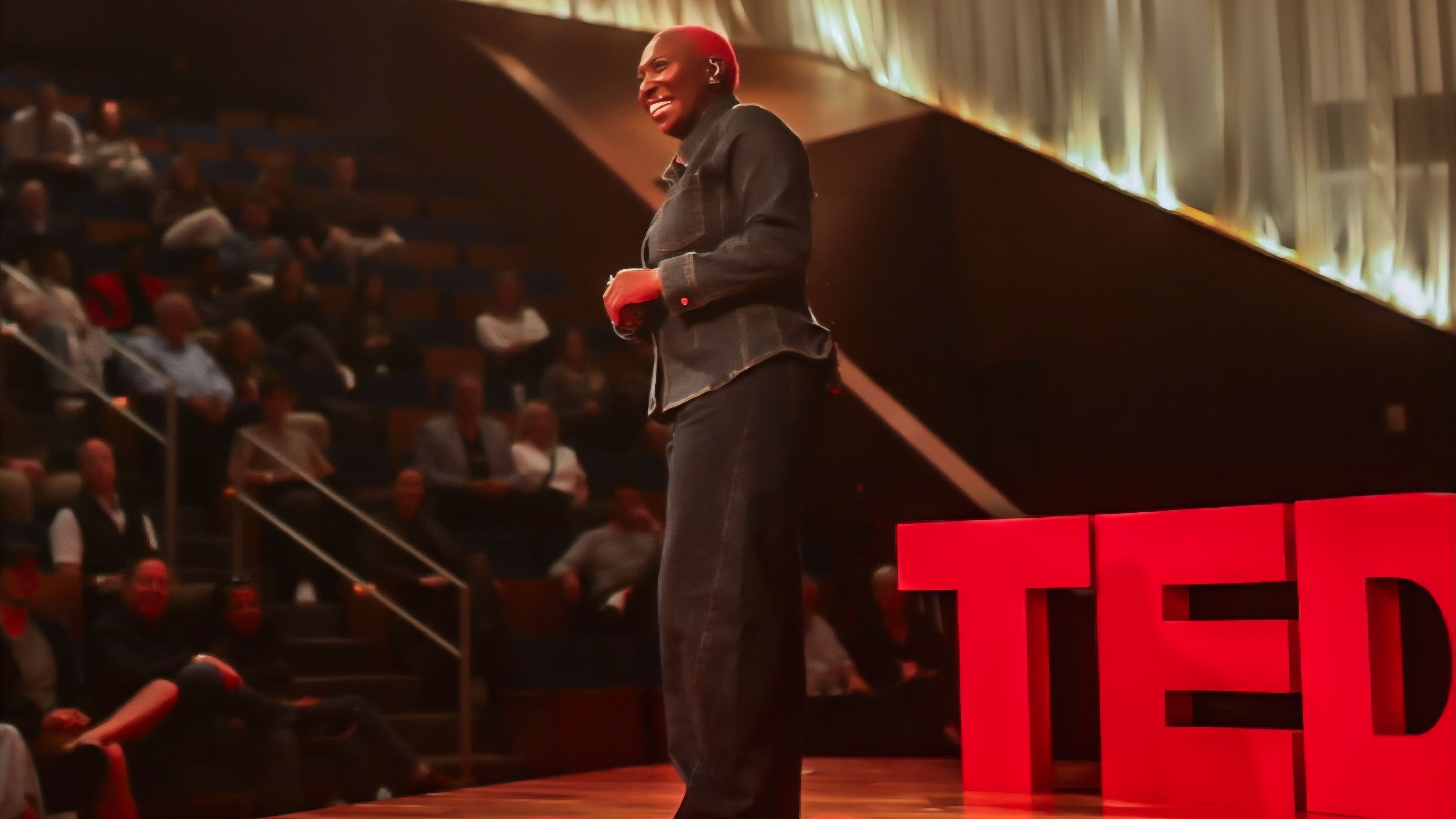
Getting your TEDx talk published is a huge milestone.
You spent months developing your idea, refining your script, rehearsing, stepping onto the TEDx stage, and then waiting for your video to finally go live. Naturally, you share it everywhere... LinkedIn, Facebook, your email list, your website, you even tell your mom to text the link to her book club.
Then what?
For many speakers, that's where the journey ends.
But it shouldn't.
Think of your TEDx talk as the beginning of the conversation. The way to invite people in to your world. One of my favorite ways to continue the conversation... is by creating a TED-Ed lesson.
It's something many TEDx speakers don't even realize is available, and yet it's one of the simplest ways to continue building on the idea you've already worked so hard to share. And leverage the TED platform at the same time.
A TEDx talk is intentionally short.
Whether you spoke for 8 minutes or the full 18, you probably left the stage wishing you had just a little more time.
Maybe there was another story you wanted to tell.
Maybe there was a practical exercise you had to cut.
Maybe your talk ended with an ask, but you couldn't detail how someone should begin putting that into practice.
That's where a TED-Ed lesson comes in.
Instead of asking people to simply watch your talk, you can invite them to interact with it.
You can ask questions.
Encourage reflection.
Recommend additional resources.
Start discussions.
Help people apply your idea to their work, relationships, community, or everyday life.
In other words, your TEDx talk introduces the idea. Your TED-Ed lesson helps people live it.
Creating a TED-Ed lesson shows that you're continuing to contribute to the larger TED ecosystem while giving your audience another way to engage with your work.
Will it become an SEO powerhouse?
No.
TED-Ed lessons are shared through unique links rather than being widely indexed by search engines, so that's not really their purpose.
Instead, think of your lesson as an engagement tool you intentionally share.
Another resource to post on LinkedIn.
Another conversation starter after someone watches your talk.
Another way to leverage the platform.
But most importantly, it's another opportunity to help people.
What Should You Include?
Don't try to repeat your TEDx talk.
Instead, ask yourself one simple question:
"What did I wish I had more time to explain?"
That answer will usually become your lesson.
For example, you might include:
-
Reflection questions that help viewers think about your message.
-
A practical exercise they can complete after watching.
-
Discussion prompts for teams or classrooms.
-
Additional research that supports your idea.
-
Books, articles, or resources for people who want to continue learning.
-
A simple framework people can begin applying immediately.
Your lesson should help someone take the next step... not simply hear your idea again.
It's Easier Than You Think
TED has actually made the process fairly straightforward.
Here's a simple overview:
-
Create a TED-Ed account.
-
Select your published TEDx talk.
-
Add an introduction, reflection questions, discussion prompts, and additional resources.
-
Publish your lesson to generate a shareable link.
-
Share it with your audience through your website, newsletter, LinkedIn, social media, and anywhere else you share your TEDx talk.
If you'd like the complete walkthrough, TED has a helpful guide explaining each step in detail:
How to Create TED-Ed Lessons
See How Others Have Done It
Before creating your own lesson, spend a few minutes exploring what's already on TED-Ed.
You'll find lessons built around TED Talks that include thoughtful questions, discussion prompts, and activities designed to help viewers move beyond simply consuming an idea.
It's a great way to see how other speakers have expanded on topics that couldn't fully fit into a short talk.
You can browse the lesson library here
Don't Let Your Talk Stop Working
One of the biggest mistakes speakers make is assuming their work is finished once their TEDx talk is published.
In reality, that's when the real opportunity begins.
Keep sharing it.
Keep talking about it.
Write articles inspired by it.
Speak about it.
Answer questions about it.
And create a TED-Ed lesson that helps your audience go one step further.
Your TEDx talk introduced your idea to the world.
A TED-Ed lesson gives people a chance to wrestle with it, discuss it, and start applying it in meaningful ways.
If your TEDx talk is live, create a TED-Ed lesson as soon as possible. Like right now. Go already!

